Historical Framework
Imperial spa towns — Bad Ischl, Bad Gastein — hosted Habsburg court seasons. Thermal cure prescriptions intertwined with ballroom social life and mountain promenades.
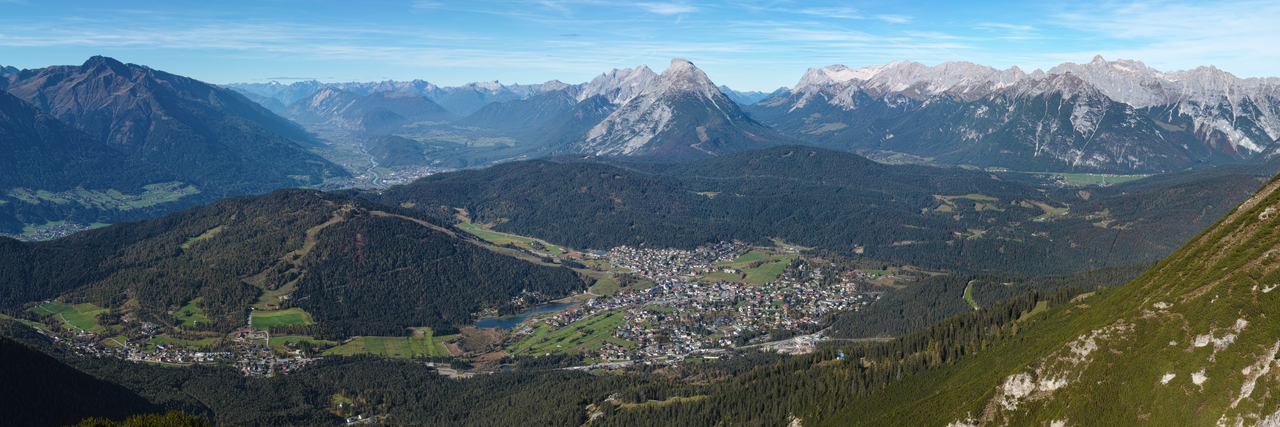
Tyrol adapted Thermenkultur to alpine villages where glacier views supplement mineral immersion narratives.
Regulatory Standards
Austrian spa law requires operator licensing, bacteriological testing and therapist certification for medical massages. Facilities display mineral composition charts meeting consumer transparency rules.
EU cross-border health tourism regulations facilitate German and Italian guest access with insurance documentation where applicable.
Therapy Modalities
Thermal pools, mud packs, inhalations and hydrojet massage address musculoskeletal complaints. Wellness hotels add yoga, nutrition and sleep science to traditional cure menus.
Cardiovascular conditions require physician clearance before intensive sauna and thermal contrast protocols.
Cultural Ritual
Sauna etiquette — silent zones, aufguss rituals, textile-free areas — follows Austrian norms foreign guests learn via signage and staff orientation.
Evening thermal bathing after skiing is social ritual reinforcing Tyrolean work-leisure balance in tourism economies.